Feelings & Growth
Tooth Fairy Questions Kids Ask (and What to Say)
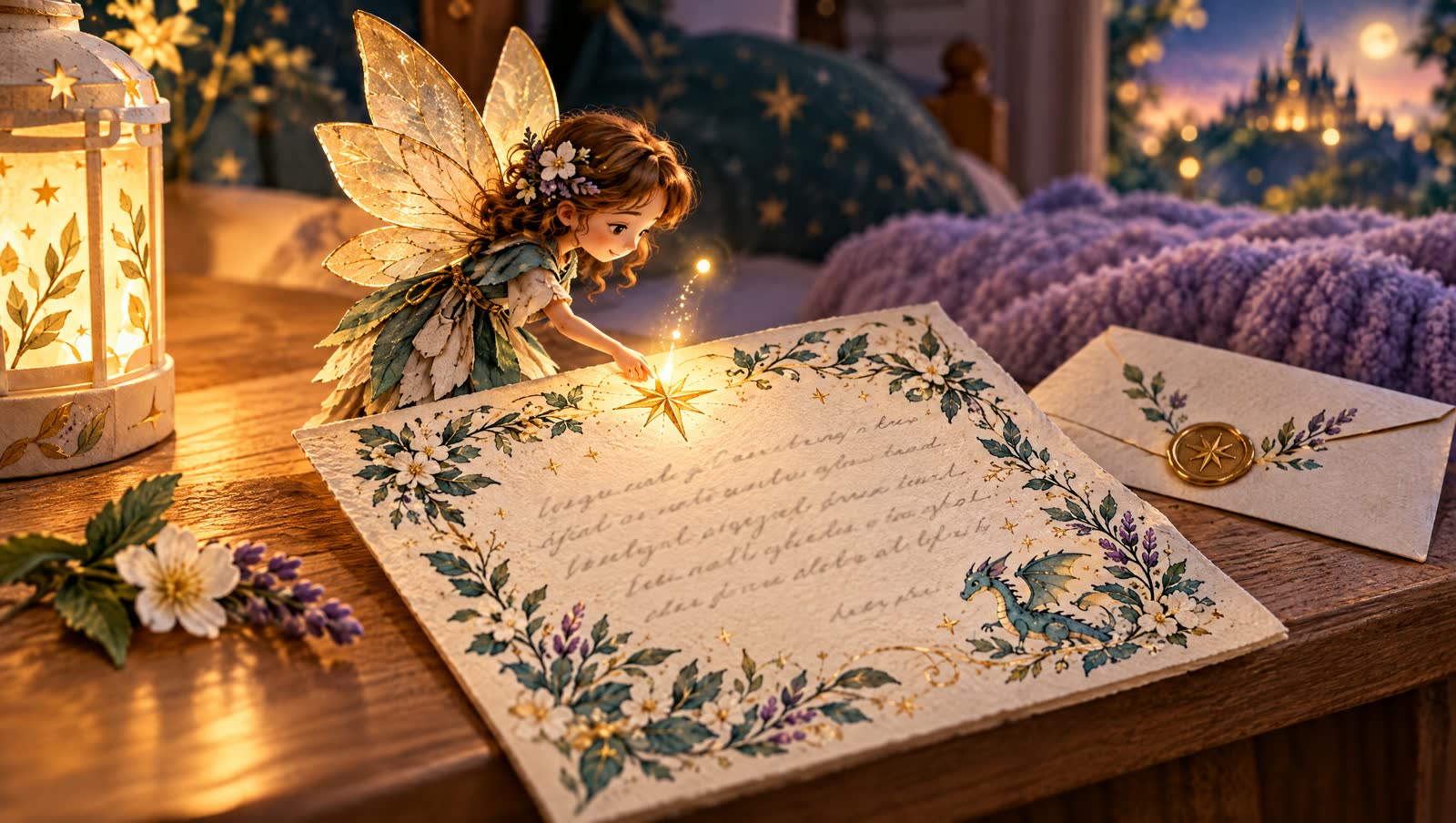
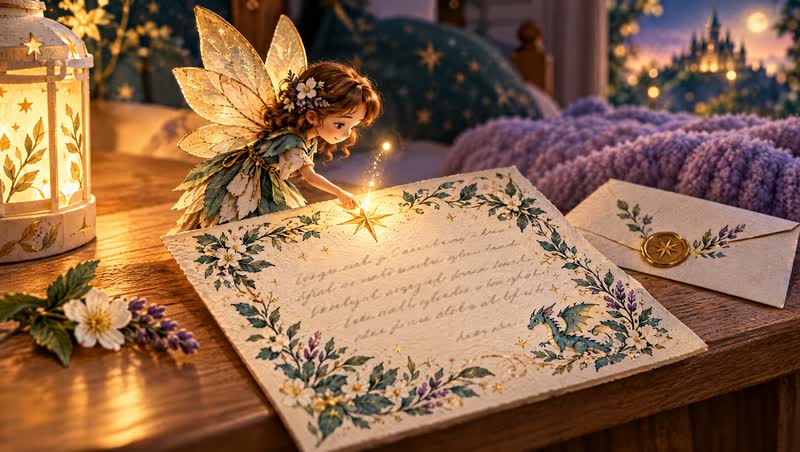
When your child asks a tooth fairy question, the best answer is short, playful and led by what they're really wondering. You don't need a perfect story. You need one fun detail and a question back: "What do you think?" Below are 15 questions that tend to come up, each with a whimsical answer you can borrow or twist, plus what to say when the big one arrives ("Is she real?"), how to handle wobbly-tooth nerves and a swallowed tooth, and a note about National Tooth Fairy Day, which falls on Sunday, August 22 in 2027.
Quick answer: how should I answer tooth fairy questions?
- Keep it to two sentences. One whimsical detail is plenty.
- Ask one question back. "What do you think she does with them?" turns a quiz into a game.
- Follow your child's lead. If they stop asking, stop adding.
- Keep your story consistent. Jot your answers on a card and tuck it in the drawer with the fairy letters.
- Stay calm when they're nervous. A wiggly tooth is a big deal at six.
What do kids ask about the teeth?
1. Why does the Tooth Fairy want my teeth? Because baby teeth are the perfect size for tiny fairy building blocks. Every tooth you've lost becomes part of her sparkling castle, and the more you brush, the more the castle shines.
2. What does she do with all the teeth? She sorts them by shine and turns the very best ones into stars for the night sky. The rest become tiny steps, windowsills and a garden path. Her castle is built entirely from children's smiles.
3. Where does she keep them? In a tower of tiny drawers, each labeled with a name and a date. Yours has a little gold star on the front, and she checks on it whenever she needs a good memory.
4. What if my tooth came out in pieces, or I can't find it? Write her a note. The Tooth Fairy accepts "lost tooth" letters, and she knows brave wiggling when she sees it. She'll leave a surprise anyway and may send a certificate that says what happened.
5. Why do my teeth fall out at all? Your baby teeth are holding the places for your bigger grown-up teeth, like seat savers at a theater. When the grown-up tooth is ready, the baby tooth steps aside. The American Dental Association says adult teeth begin to settle in around age 6.
What do kids ask about the visit?
6. How does she get into our house? She shrinks smaller than a speck of glitter and slips under the door, through a keyhole or along a sunbeam. Fairies are very good at staying quiet, which is why no one has ever heard her.
7. How does she know which house to visit? Her map glows whenever a tooth goes under a pillow. Every loose tooth sends up a tiny sparkle, and she follows the light like a lighthouse keeper. A note on the pillow makes your house glow brightest.
8. Why does she only come when I'm asleep? Tooth fairies are shy and fast, and a sleeping child makes the softest landing. If you stay up to watch, she'll wait and visit later. Dreams are her favorite backdrop.
9. What if I'm at Grandma's, on vacation, or in a hotel? She has a travel map and can find you anywhere. Help her out by writing a note with where you're sleeping, like "Grandma's guest room, second pillow." She reads tiny handwriting very fast.
10. Why didn't she come last night? Sometimes a lot of children lose teeth on the same night, and the fairy's list gets very long. A delayed delivery means she's coming tonight. Leave the tooth where it is and add a note that says "Thanks for stopping by!"
What do kids ask about the fairy herself?
11. What does she look like? She looks like whatever you imagine: shimmery wings, a tiny crown, boots made of moonlight. Draw her for me and I'll put your picture on the fridge. Everyone pictures her a little differently.
12. Is she the only one? Do other countries have a tooth fairy? In some places a tiny mouse collects the teeth. According to Wikipedia, children in Spain and Hispanic America meet El Ratoncito Pérez, French-speaking families have La Petite Souris, and in Italy a tiny mouse named Topolino sometimes takes the fairy's place.
13. How old is she, and does she have a name? She's older than the first lost tooth and young enough to giggle. Her name is whatever makes you smile, so you pick. She answers to every name children give her.
14. Why does she leave money? To say thank you. Teeth are treasure to a tooth fairy, and a coin is a small thank-you for a brave wiggle. For ideas on amounts, see our post on how much the Tooth Fairy leaves.
15. Does she take grown-up teeth too? No, she only collects baby teeth, which are the small, shiny, first-edition kind. Grown-up teeth are for keeps and stay with you for a long time, which is why brushing and dentist visits matter so much.
What if my child asks, "Is the Tooth Fairy real?"
This question usually arrives without warning, often after a classmate says something at school. There's no single right answer, and families handle it in different ways. A few options to consider:
- Ask first. "What do you think?" and "What made you wonder?" help you hear what's behind the question. Some children are checking a rumor, others are ready for the truth, and some just want reassurance that the magic is still safe.
- Offer a choice. Some parents ask, "Do you want the true answer or the magical answer?" and let the child decide.
- Keep the magic going. You might say, "Some things are real in a way you can feel," and add a favorite memory of the fairy's letters.
- Invite them in. If your child is ready, you can tell them in a warm, private conversation and ask for their help keeping the magic alive for younger siblings or friends.
Whatever you choose, keep your tone calm and kind. A child who asks this question isn't losing something. They're growing into a bigger role in the story.
What about wobbly teeth and swallowed teeth?
According to HealthyChildren.org, baby teeth typically start falling out around age 6, beginning with the front teeth, and back molars usually follow between ages 10 and 12. The American Dental Association says losing baby teeth is a natural part of growing up, and reassuring a worried child helps.
- Let it wiggle. HealthyChildren.org says children usually wiggle loose teeth with their tongue or fingers.
- If you help. If a parent pulls a loose tooth, HealthyChildren.org suggests grasping it firmly with tissue or gauze and removing it with a quick twist. If a baby tooth isn't loosening on its own, the child's dentist may suggest pulling it.
- The swallowed tooth. Colgate's guidance says a tooth is generally digestible, and a swallowed one will most likely pass without problems. It advises monitoring your child and asking your doctor, and seeking medical attention promptly if your child has trouble swallowing, neck or chest pain, repeated vomiting, blood in vomit or stool, abdominal pain, fever or drooling. Trouble breathing is an emergency. If you're ever unsure, call your pediatrician.
- A dental-health nudge. HealthyChildren.org says children may need help brushing until about ages 7 to 10, suggests fluoride toothpaste, recommends dental checkups twice a year and advises limiting sticky foods like gummy snacks. It's a lovely time to turn "the fairy likes clean teeth" into a habit.
Is there a National Tooth Fairy Day?
Sort of. Boston University reports that National Tooth Fairy Day is observed on February 28 and August 22. It credits children's author and BU alumna Katie Davis, whose 2003 book inspired the holiday and who submitted it to Chase's Calendar of Events, and says it is unclear why there are two dates. It isn't an official holiday, but it's a fun excuse for a letter. In 2027, both dates fall on a Sunday, so August 22 could be a tiny family celebration: a note under a pillow, a favorite tooth story, a new toothbrush.
How can I make answers into a keepsake?
You can write all of this by hand, and a pen and a scrap of paper go a long way. If you'd rather have printed pieces ready, the Tooth Fairy Adventures Printable Kit includes a letter from the Tooth Fairy, an adventure card, a little note, a Lost Tooth Certificate, a Tiny Tooth Receipt, a First Lost Tooth Memory Card and a Tooth Fairy Treasures envelope. You add your child's name, and you print it at home. The files are made to order, so it's wise to order a few days before the tooth is truly loose rather than the night before.
For more ways to make a lost tooth special, see our tooth fairy ideas for kids. If a lost tooth stirs up big feelings, our kids feelings journal guide has gentle ways to talk about them.
Make it magical with Wonderkin
The Tooth Fairy Adventures Printable Kit has a letter, a certificate, a tiny receipt and a first-tooth memory card, personalized with your child's name. Browse the tooth fairy collection when you're ready. Wonderkin Adventures is a small shop run by a working mom and veterinarian who loves her daughter.
Questions parents ask
What do I say when my child asks if the Tooth Fairy is real?
Try 'What do you think?' first, then listen for what they're really wondering. Families choose differently, so follow your own values and your child's readiness. Some keep the secret a little longer, while others invite older kids to become fairy helpers. Whatever you choose, stay warm and keep the answer short.
What does the Tooth Fairy do with the teeth?
That's yours to invent. Popular answers: she builds a castle from them, turns them into stars, or tucks them into a tiny museum. Keep it whimsical and short, and let your child add details. If you'd like to keep the real tooth as a keepsake, store it somewhere safe.
What should I do if my child swallows a baby tooth?
Colgate's guidance says a swallowed tooth is generally digestible and usually passes without trouble. Seek medical care promptly if your child has trouble swallowing or breathing, neck or chest pain, repeated vomiting, blood in vomit or stool, belly pain, fever or drooling. If you're unsure, call your pediatrician.
At what age do kids start losing baby teeth?
HealthyChildren.org, from the American Academy of Pediatrics, says baby teeth typically start falling out around age 6, beginning with the front teeth, and back molars usually follow between ages 10 and 12. Every child's timing varies, so ask your dentist if you have concerns.
Is there a National Tooth Fairy Day?
It's an unofficial observance reported on both February 28 and August 22. Boston University credits children's author Katie Davis with creating the February date and says it is unclear why there is a second one. In 2027, both dates fall on a Sunday.